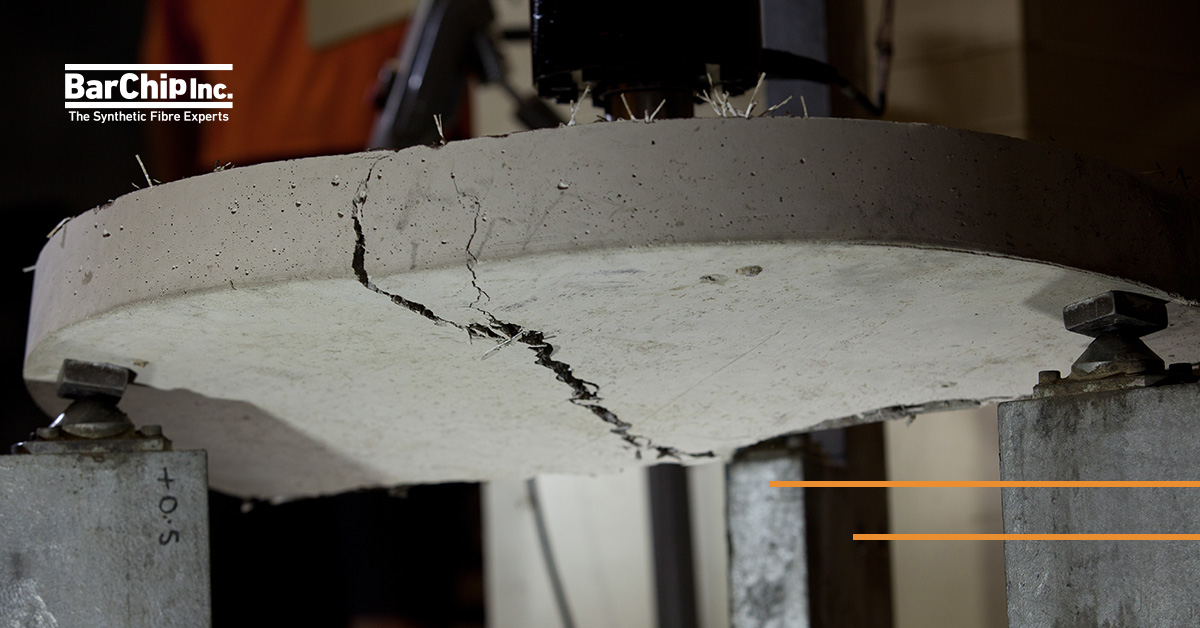
Test Methods for Fibre Reinforced Concrete
Fibre reinforced concrete testing uses beam, panel and other test methods to measure residual strength, toughness and post crack performance.

Fibre reinforced concrete testing uses beam, panel and other test methods to measure residual strength, toughness and post crack performance.
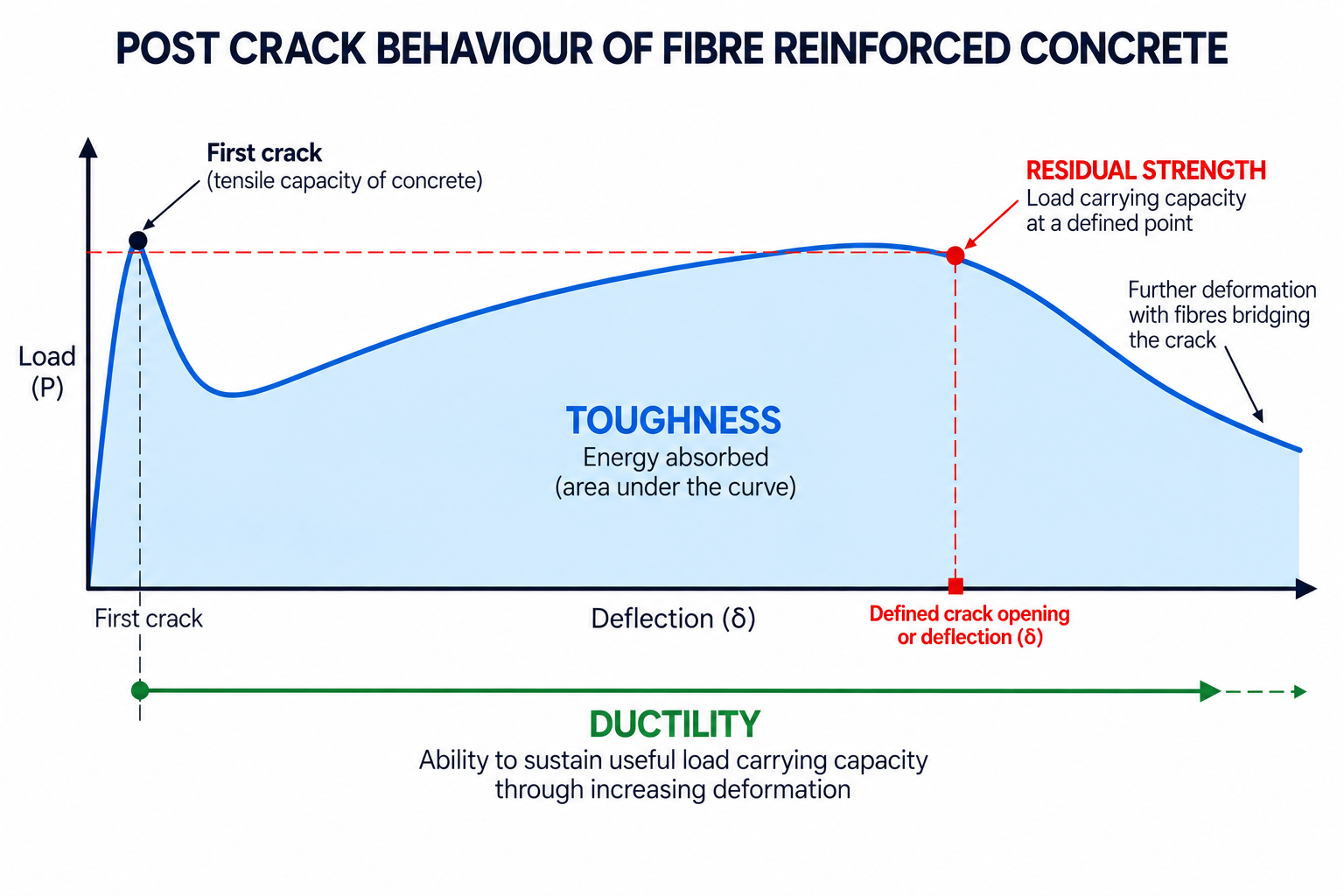
Residual strength, toughness and ductility. Understand what each is and how they describe the post crack behaviour of fibre reinforced concrete.
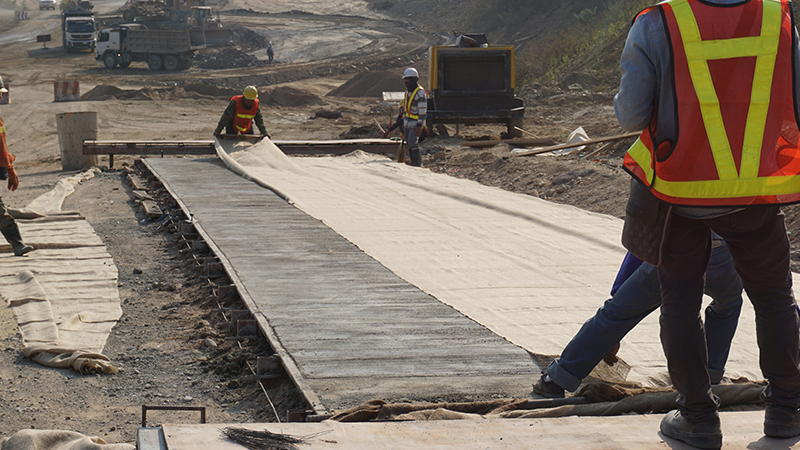
Even the best mix and placement can mean little without proper curing. Discover why curing is critical to the strength and durability of fibre reinforced concrete.

Micro and macro synthetic fibres play very different roles in concrete. This article explains how each fibre works, where it should be used, and why choosing the wrong fibre leads to costly performance issues.
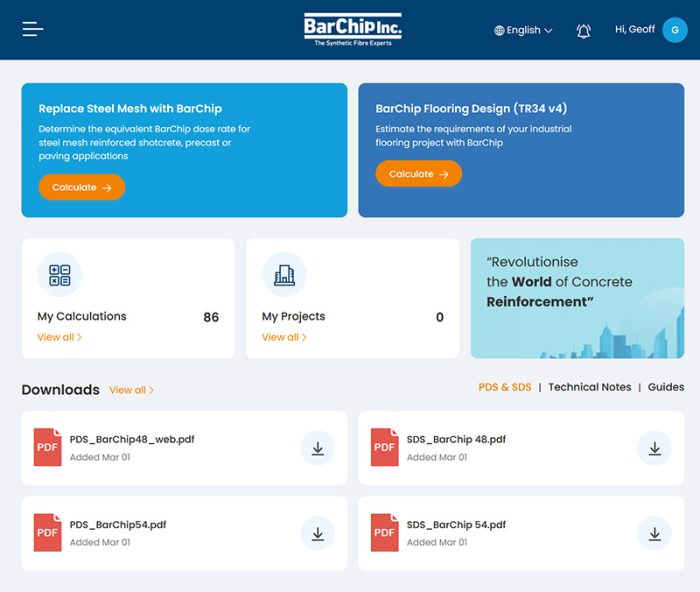
Select between IOS, Android and web based application link to get your free access to the BarChip fibre design dashboard. Fibre concrete designs in minutes.
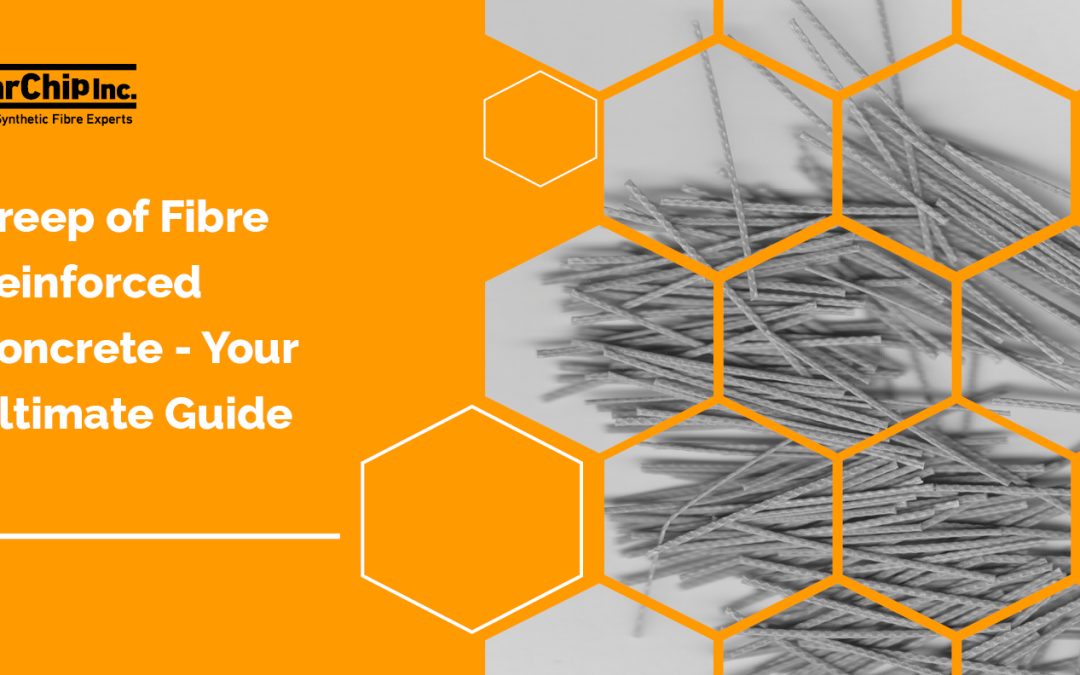
11 Key Facts on the Creep of Fibre Reinforced Concrete: Your Ultimate Guide on Fibre Concrete Creep.

BarChip’s flooring design tables allow you to quickly check required dose rate and thickness of concrete flooring and pavements.
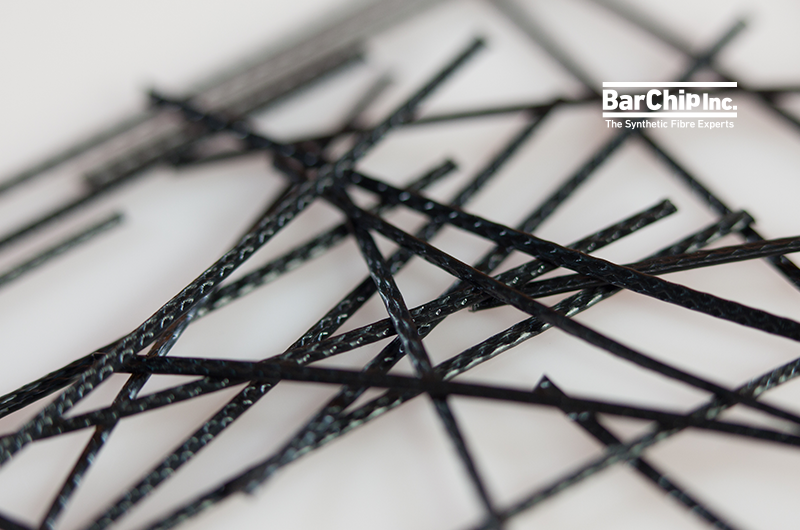
BarChip reduce carbon footprint of shotcrete ground support by over 70 million kg of carbon.

BarChip replaces trench mesh in housing slabs. In total Barchip replaced the entire trench mesh cage and 90% of all steel in the system. JKP Static Engineer Péter Schaul explains…
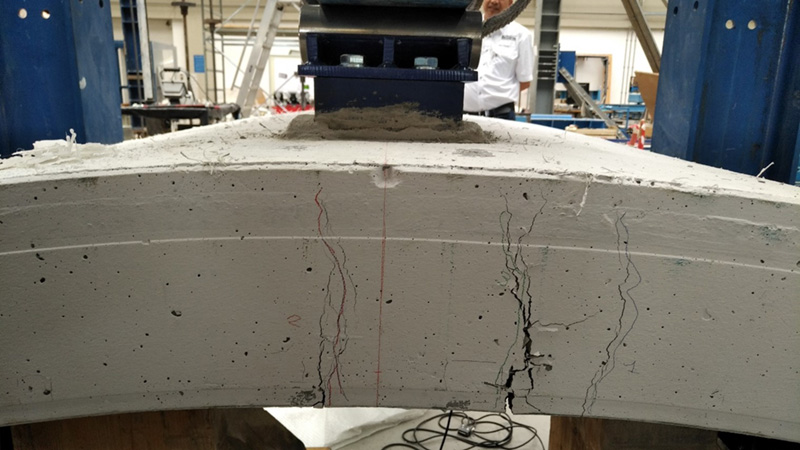
Full-scale testing of BarChip fibre reinforced tunnel segments proves that anyone who says you can’t use maco synthetic fibre in segments is wrong.

Full scale testing shows without a doubt that BarChip is a suitable material for use in precast concrete tunnel segments.
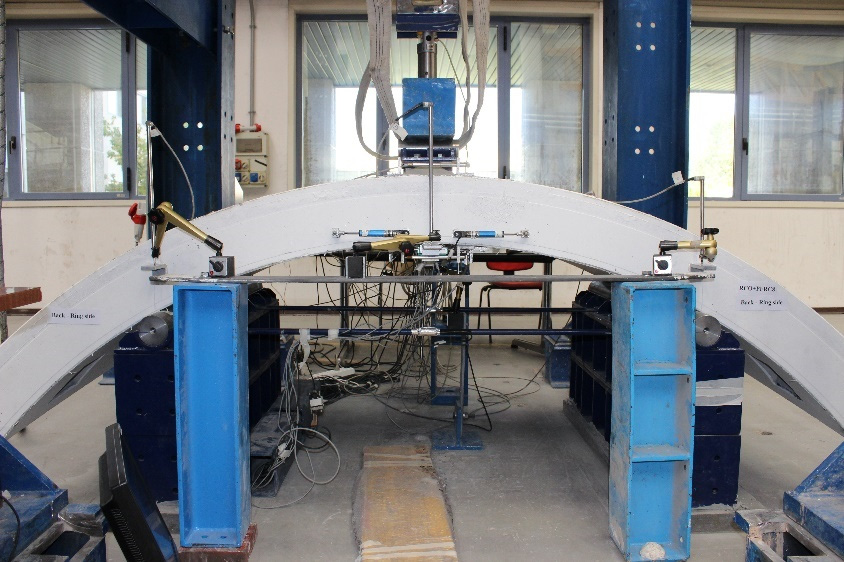
Anyone who says you can’t use macro synthetic fibre in a segmental tunnel lining is wrong and in this series of posts we’ll show you why.