
Fibre Reinforced Shotcrete – Low Cost, Low Carbon, High Performance.
We make high performance fibres for shotcrete.

What is Shotcrete?
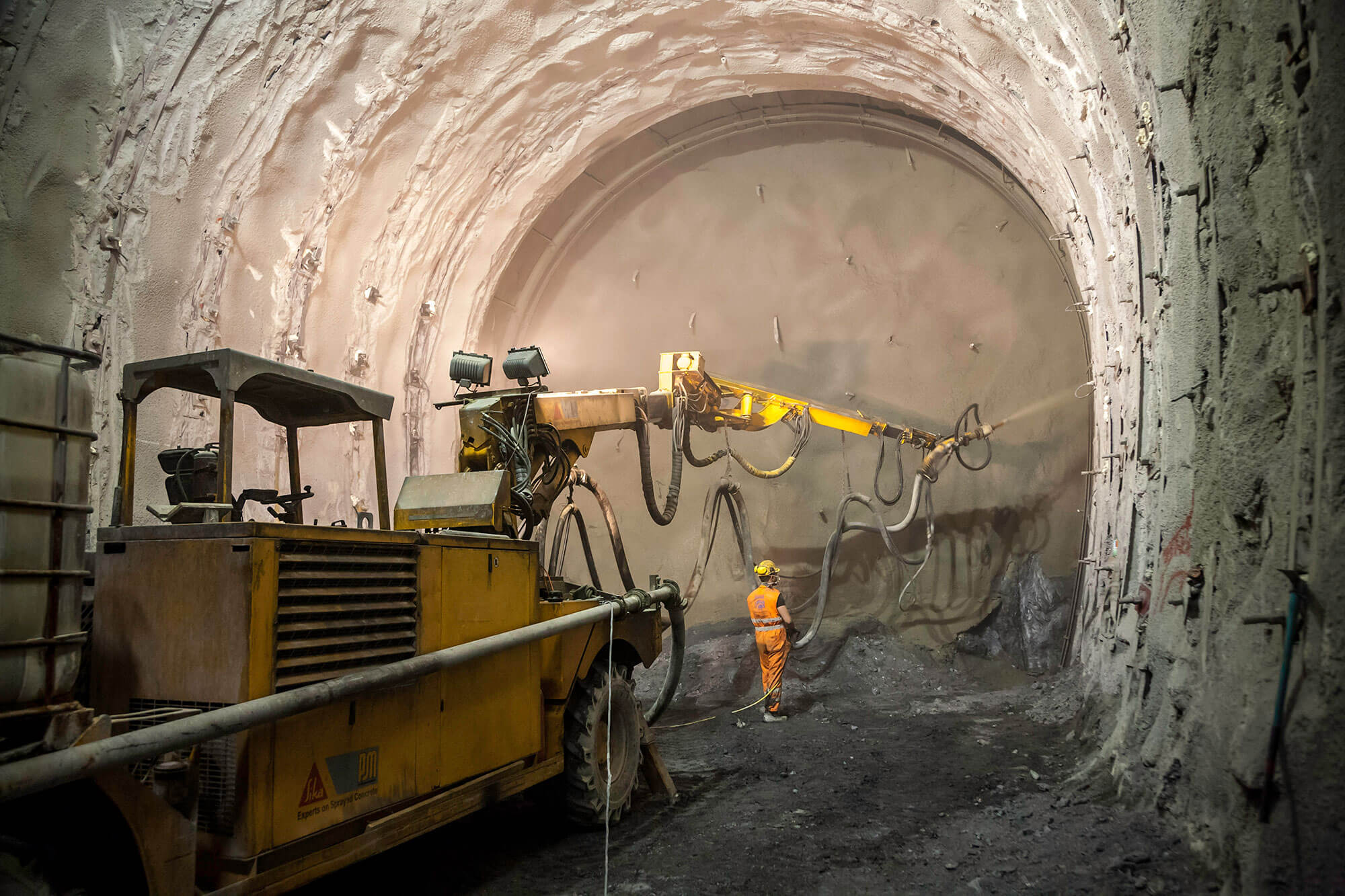
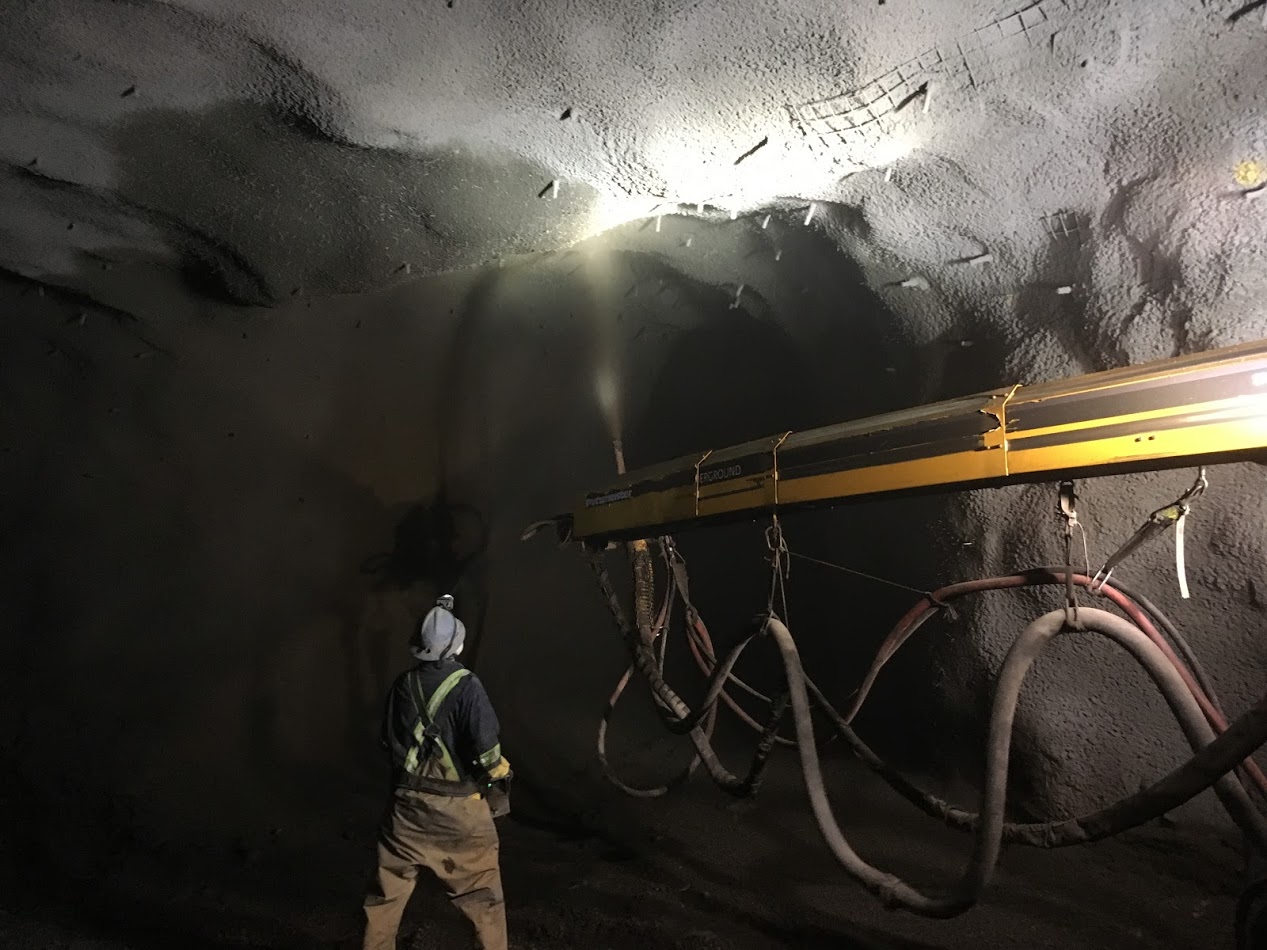
Shotcrete, also known as sprayed concrete, is a specially designed concrete mix that is sprayed onto surfaces at high velocity, allowing for rapid and precise application. Widely used in tunnelling, mining and civil infrastructure, shotcrete has transformed construction in demanding conditions, delivering improvements in safety, efficiency and performance.
Fibre reinforced shotcrete takes this process even further. By replacing traditional steel mesh or steel fibres, BarChip improves toughness and ductility, eliminates corrosion risk, accelerates construction speeds and reduces labour requirements. The result is a more durable, cost-effective and sustainable shotcrete solution for modern construction.
BarChip Fibre
The World’s #1 Fibre for Shotcrete
BarChip fibre is globally recognised as the leading choice for high-performance shotcrete applications, trusted by engineers and contractors worldwide. Comparative testing of over 20 different fibres has shown that BarChip delivers unmatched toughness in panel testing, setting it apart in the market. With proven performance, BarChip fibre is the #1 fibre for shotcrete applications across all sectors, including mining, tunnelling, public works and residential projects.

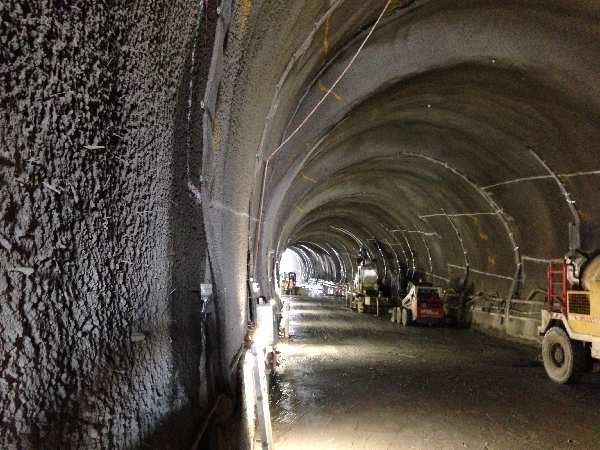
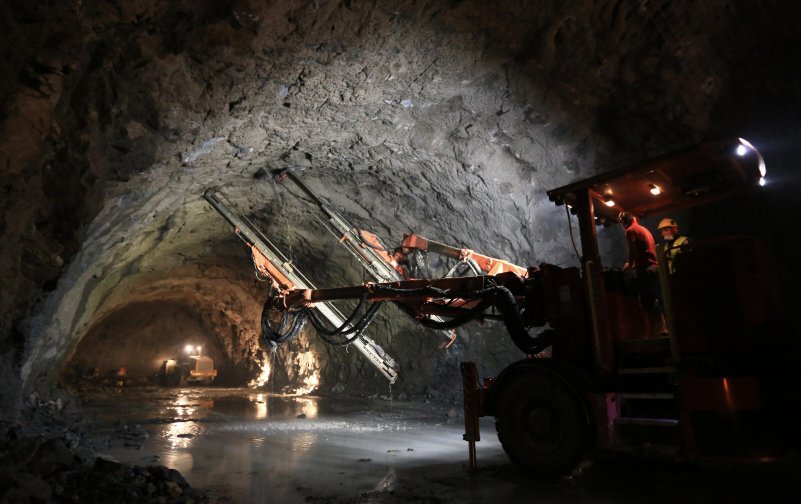
BarChip fibre reinforced shotcrete is supporting more than 500 road, rail, and utility tunnels, and thousands of kilometres of underground mining excavations.
Low Cost. Low Carbon.
High Performance.
Key Benefits of BarChip
Macro Synthetic Fibre in Shotcrete
Compared to traditional steel mesh or steel fibre, BarChip fibre represents a major step forward in performance, cost efficiency, and sustainability.

Increased Safety

Low Carbon

Reduced Costs

Corrosion Free

Faster Construction

Increased Toughness
Reduced Shotcrete Consumption
Versatility
Ready to Talk?
Our promise is simple: BarChip fibre will improve your shotcrete durability, lower carbon footprint and reduce construction times compared with traditional steel alternatives.
Let’s talk and find out what we can do for you.
Where is Shotcrete Used?
Shotcrete is essential in construction and engineering for its versatility and durability. Widely used in most construction sectors, it provides structural support, stabilises terrain and extends the life of critical infrastructure. Its adaptability to diverse settings makes shotcrete a valuable solution across many industries.
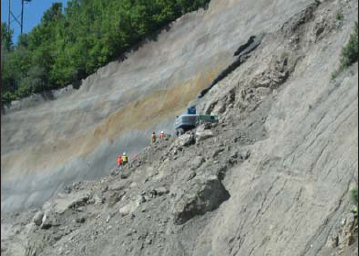
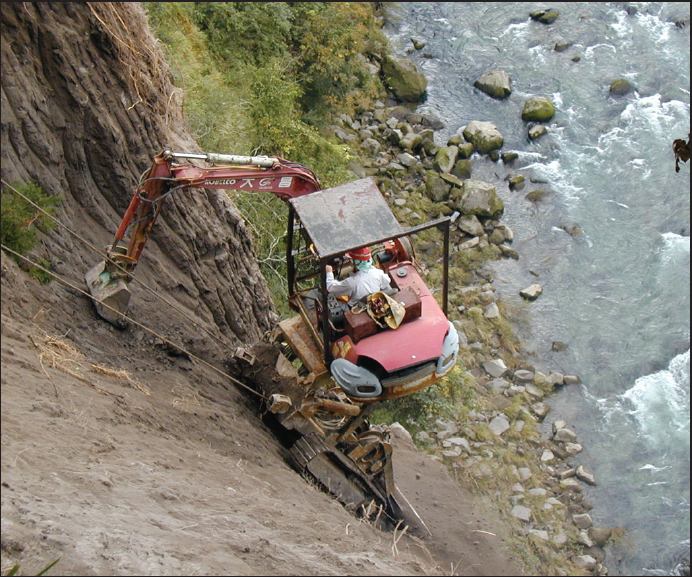
Slope Stabilisation
Protection of cuttings, embankments and unstable ground.
Water & Civil Infrastructure
Culverts, drainage systems and water infrastructure.
Fibre Reinforced Shotcrete Projects
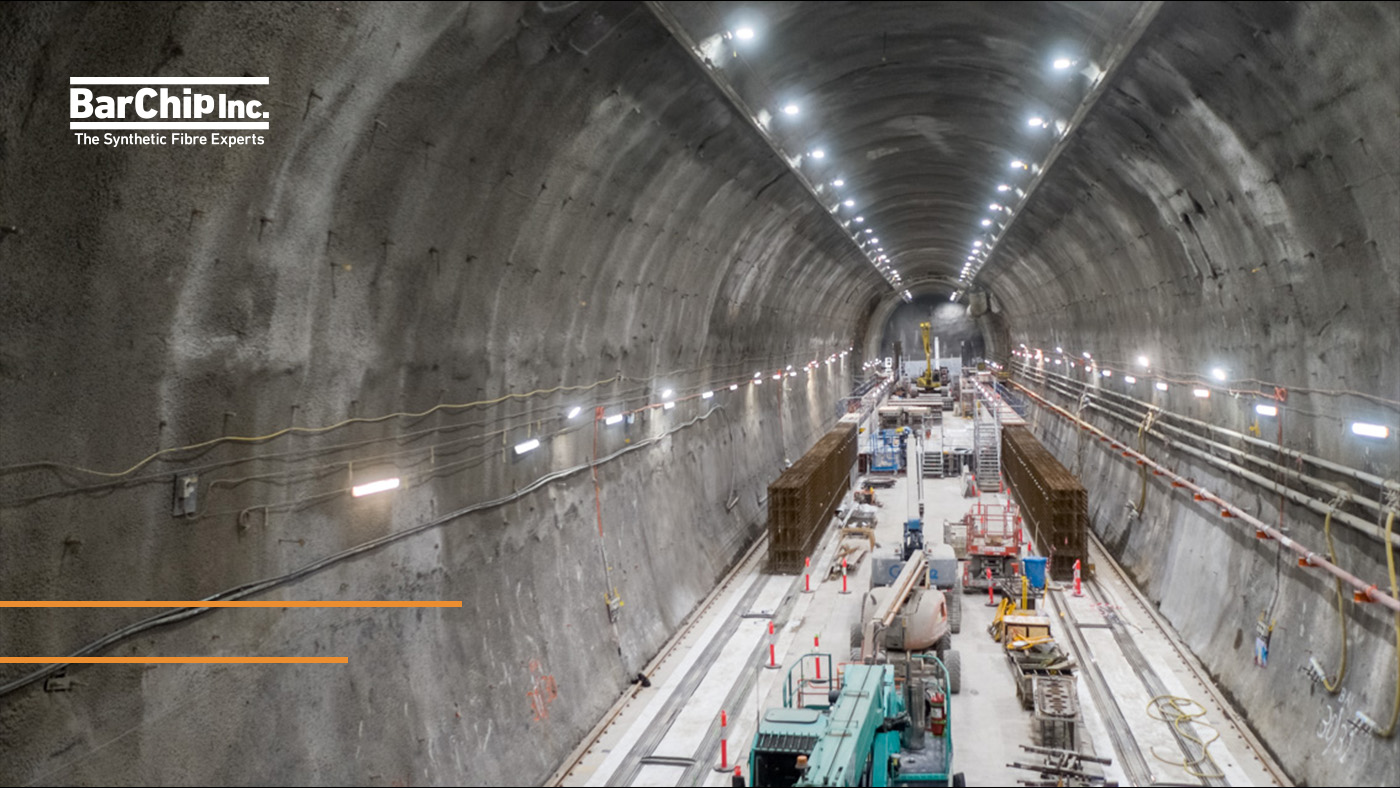
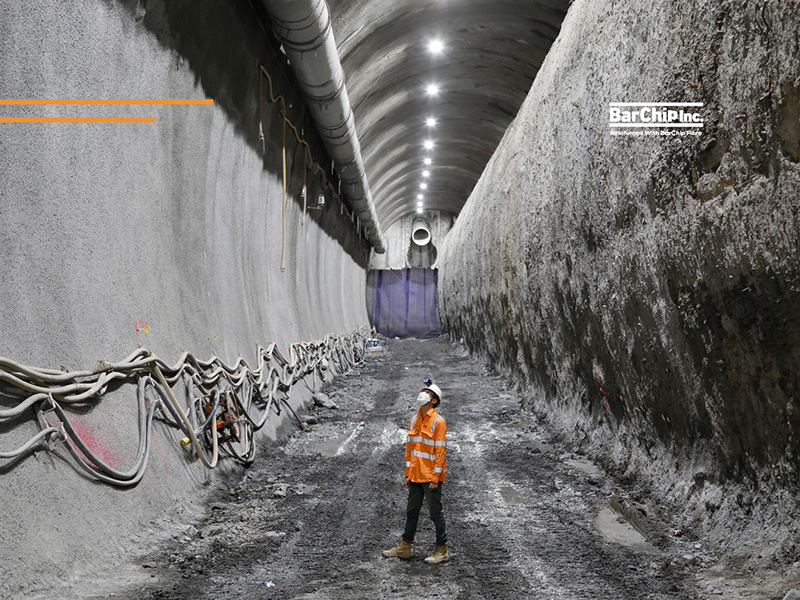
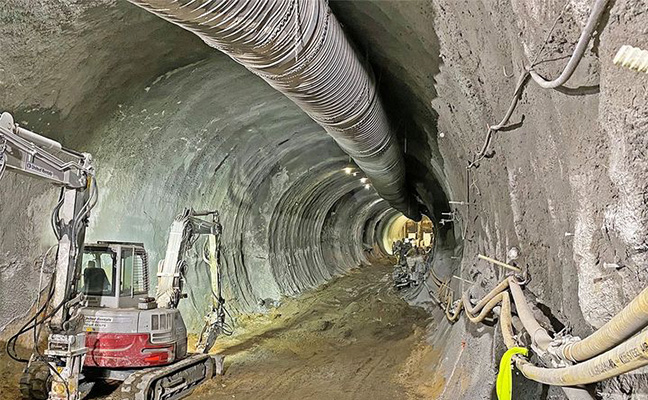
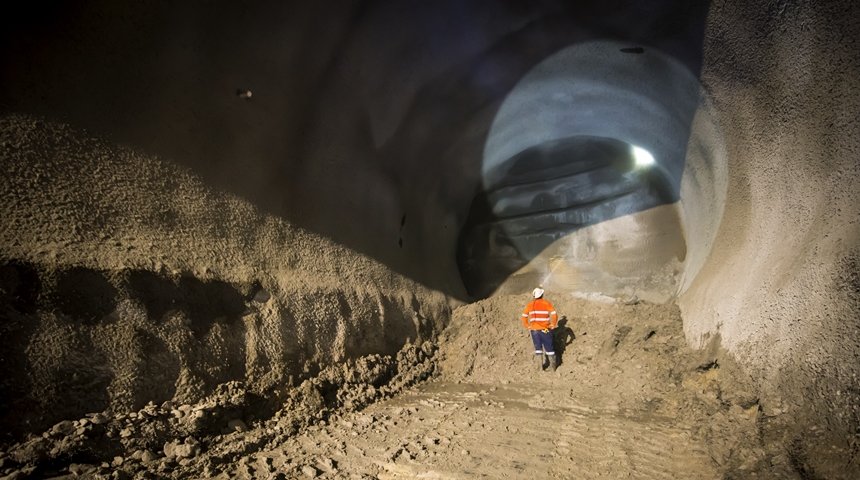
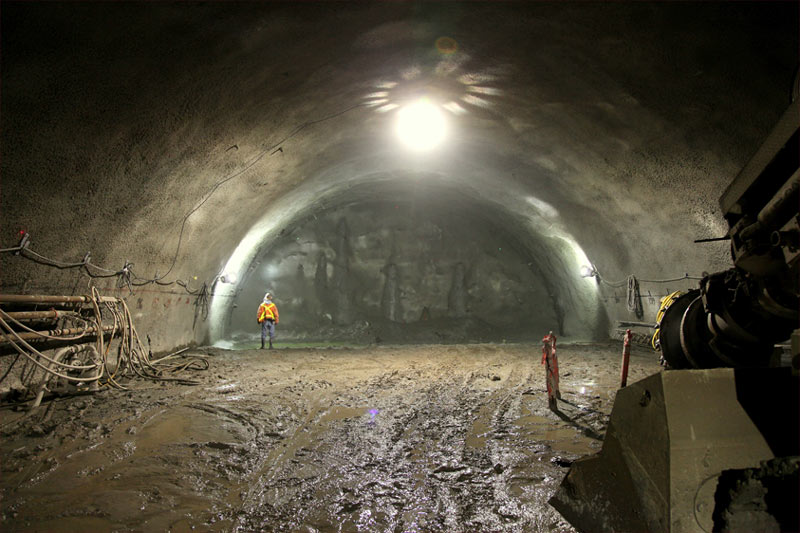
Melbourne Metro
Ground support for large underground station caverns.
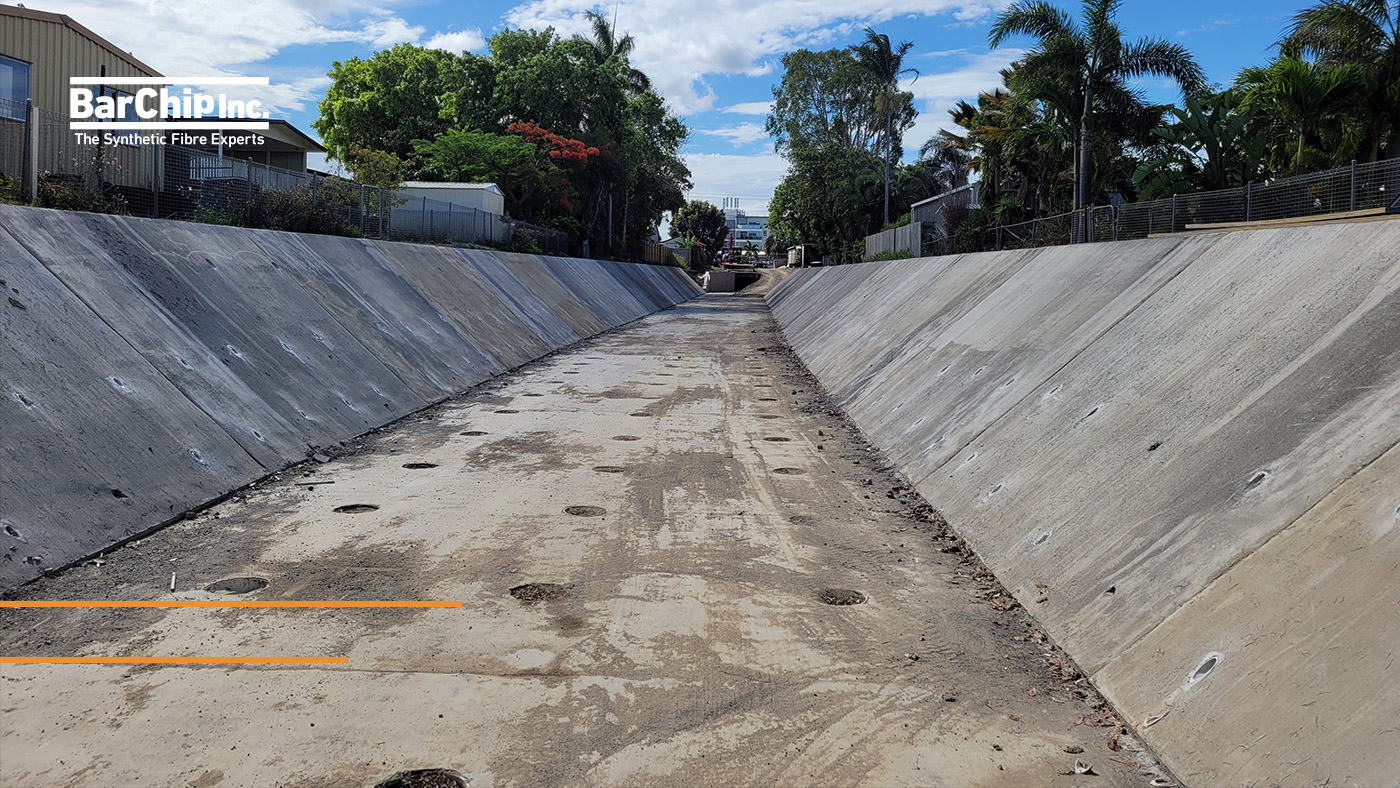
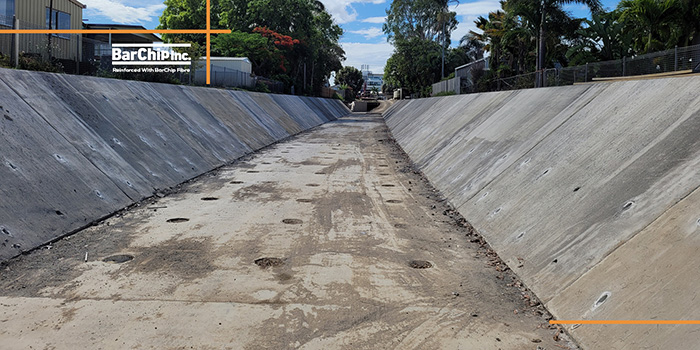
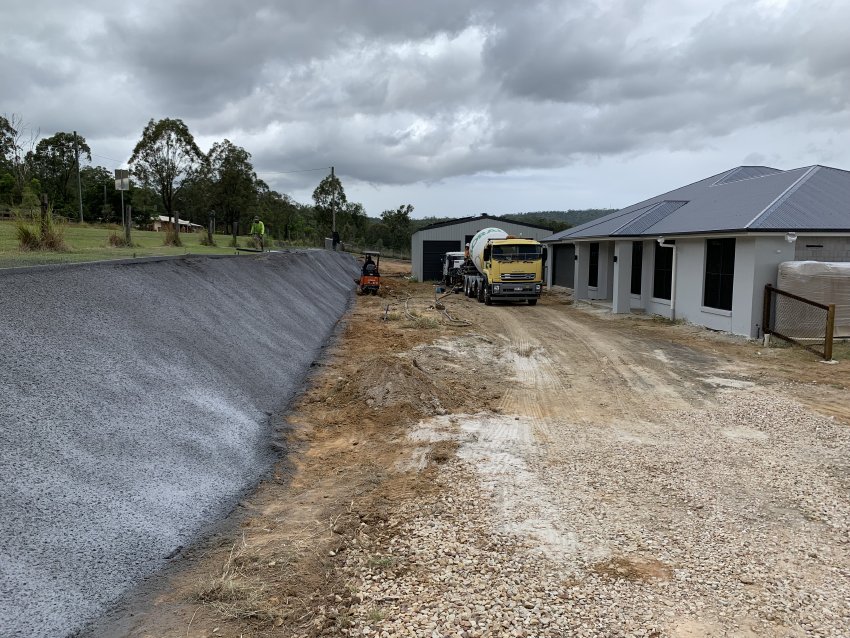
Warland Street Culvert
Durable shotcrete reinforcement for civil infrastructure.
Who Uses Fibre Reinforced Shotcrete?
BarChip users are a who’s who of global engineering, design and construction firms. With proven performance in all conditions, BarChip has become the preferred choice for major infrastructure projects.












Low Carbon Shotcrete
BarChip fibre reinforced shotcrete helps projects meet their sustainability targets while maintaining the high performance and durability required from shotcrete reinforcement.
- Reduced embodied carbon by replacing steel reinforcement with low carbon synthetic fibres
- Enhanced durability and crack control, extending the service life of shotcrete linings
- Lower maintenance demands, reducing resource inputs and lifecycle emissions
- Alignment with sustainability standards and goals for low-impact construction
- Reduced shotcrete consumption through thinner structures, load sharing and the elimination of smoothing layers
- Lower resource consumption, with less fresh water and energy used in manufacturing
- Reduced storage and transport requirements for materials to site
Project Outcomes

Melbourne Metro
Station Caverns
Shotcrete Lining Carbon Footprint Reduced by 15%

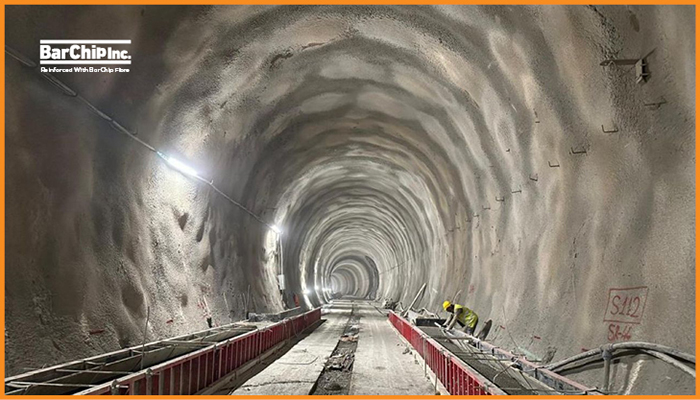
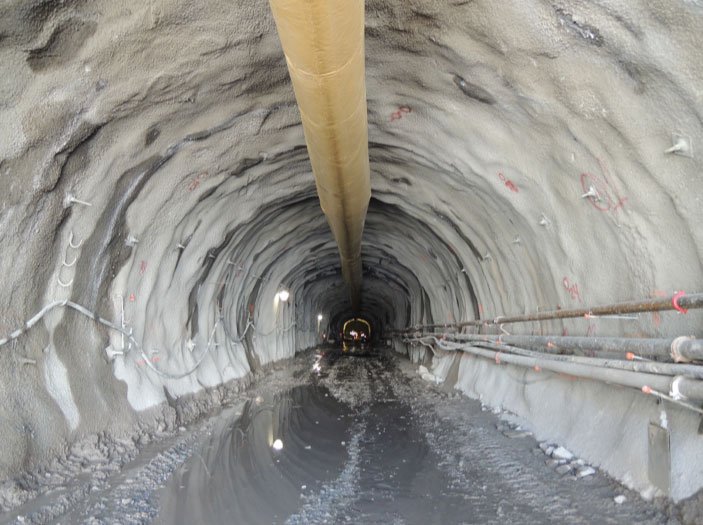
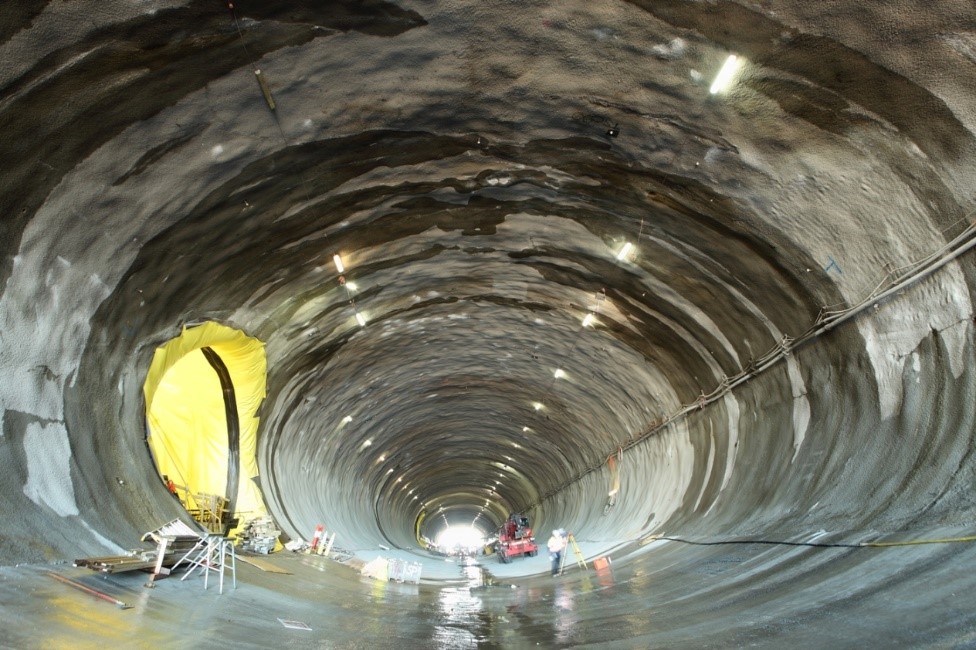
Caldecott 4th Bore Tunnel
Final Lining Thickness Reduced by 30%

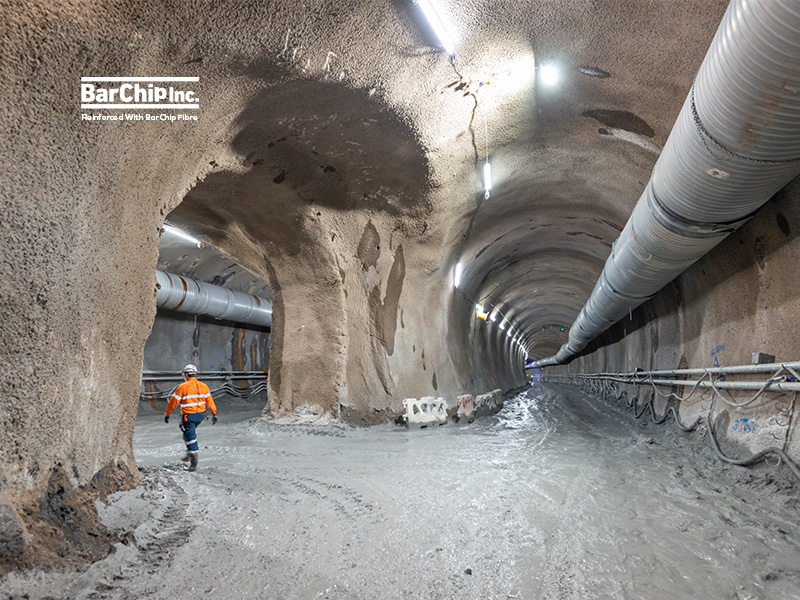
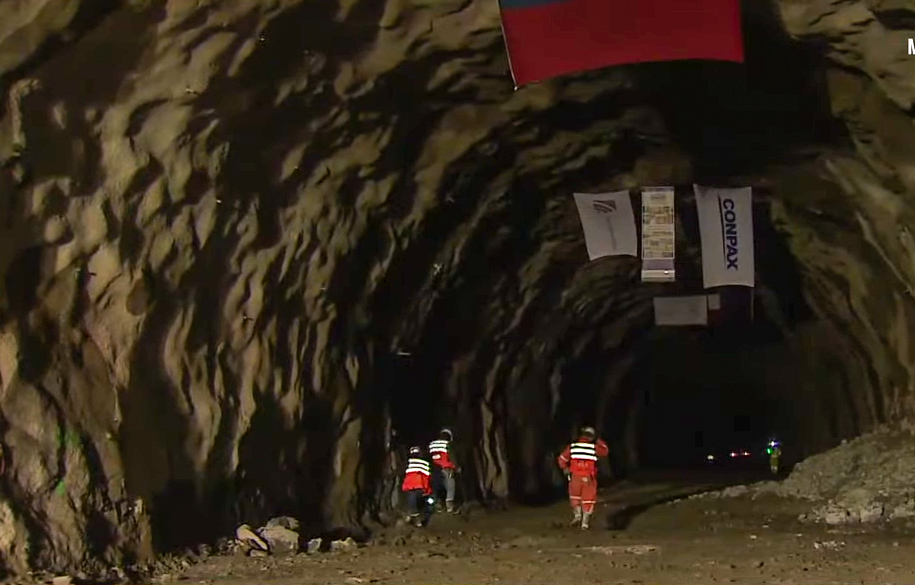
Santona Laredo
Reduced Carbon Footprint of Reinforcement by Nearly 97%
Recognised by Environmental
Product Declarations (EPDs)
BarChip’s environmental performance is independently verified through the international Environmental Product Declaration (EPD) system, ensuring transparency and credibility when reviewing the sustainability of BarChip in shotcrete construction. Our EPDs are recognised in the world’s most common certification schemes, including Green Star, LEED and ISCA ratings.

Get Fibre Concrete Designs in Minutes
Using custom built tools based on ACI 544 and TR34 design methods, you can quickly determine the feasibility of BarChip fibre in your project. BarChip’s free to use design app is fast, simple to use and lets you generate reports straight from the app in just minutes. Suitable for flooring, paving and shotcrete applications.
Project Highlights

Frequently Asked Questions
What is Shotcrete?
Shotcrete, also referred to as sprayed concrete or gunite, is a specialised concrete mix pneumatically applied at high pressure to a surface or substrate, either by hand spray or mechanised application. It is widely used for tunnel linings, ground support, slope stabilisation and other civil infrastructure applications.
Where is shotcrete used?
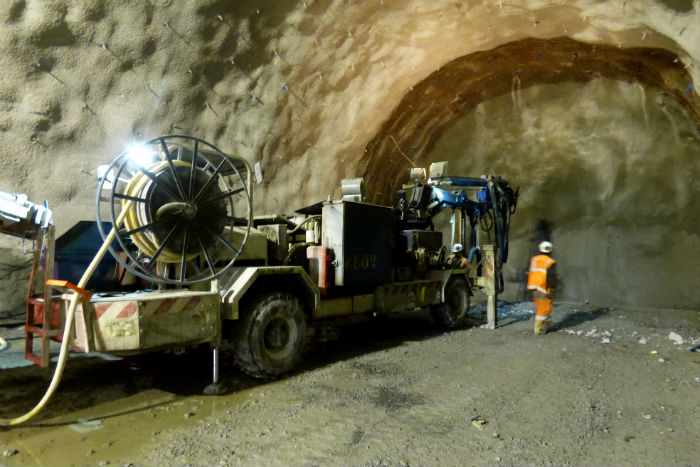
Shotcrete is most commonly used as ground support in underground excavations as temporary or permanent tunnel lining ground support, and as slope stabilisation works for cuttings, highwalls and culverts.
What’s the difference between shotcrete and regular concrete?
Shotcrete uses specially designed concrete mixes that can be pumped and sprayed at high velocity onto a surface. Compared with conventional cast-in-place concrete, shotcrete can be applied to irregular shapes without formwork and often incorporates admixtures such as accelerators to achieve rapid strength development.
What is the difference between shotcrete and gunite?
Shotcrete is a general term for pneumatically applied concrete and includes both wet-mix and dry-mix processes. Gunite traditionally refers to the dry-mix process, while modern shotcrete applications most commonly use wet-mix shotcrete.
Does fibre reinforcement lower the carbon footprint of shotcrete?
Yes. BarChip fibres can help reduce the carbon footprint of shotcrete by enabling lower material consumption, faster construction, longer service life and lower embodied carbon compared with traditional steel reinforcement solutions.
Can macro synthetic fibres reduce the amount of shotcrete used on a project?
Yes. Fibre reinforced shotcrete follows the natural ground profile and eliminates overspray normally required to fill voids behind steel mesh. BarChip fibres are corrosion free and enable load sharing designs that can reduce lining thickness. Where waterproof membranes are used, BarChip also eliminates the need for a smoothing layer.
Can fibres be used in permanent sprayed concrete linings?
Yes. Sprayed Concrete Linings (SCL) are an efficient design that can reduce project costs and material consumption. Because BarChip fibres are corrosion free, they can be relied upon to deliver durable reinforcement throughout the design life of the structure.
How do you design fibre reinforced shotcrete?
Fibre reinforced shotcrete is designed using a performance based approach guided by international standards, design methodologies and rock mass classification systems such as the Barton Q-System. The fibre type and dosage are selected based on project requirements and validated through beam or panel testing to confirm residual strength or energy absorption capacity. The mix design is also optimised to ensure pumpability, good fibre dispersion and consistent application in the field.
Get in touch for a personal information session about your next project. One of our concrete fibre experts will guide you through the following 4 keys items: